
Mobile App Development
We design and build iOS and Android apps that hold up under real usage — from AI-powered consumer apps to offline-first field tools — using React Native and Flutter for a single codebase that ships to both platforms without cutting corners on performance.
- iOS & Android native
- React Native & Flutter
- App Store & Play Store launch support
Technologies we use
How we approach mobile app development
Most mobile apps fail for reasons that have nothing to do with the idea — slow onboarding, unreliable offline behavior, or a codebase that becomes unmaintainable the moment a second platform gets added. Our mobile development process is built around avoiding those failure modes: we pick React Native or Flutter based on what the project actually needs (team familiarity, native module requirements, performance ceiling), not by default, and we architect the app so it can absorb new features without a rewrite six months in.
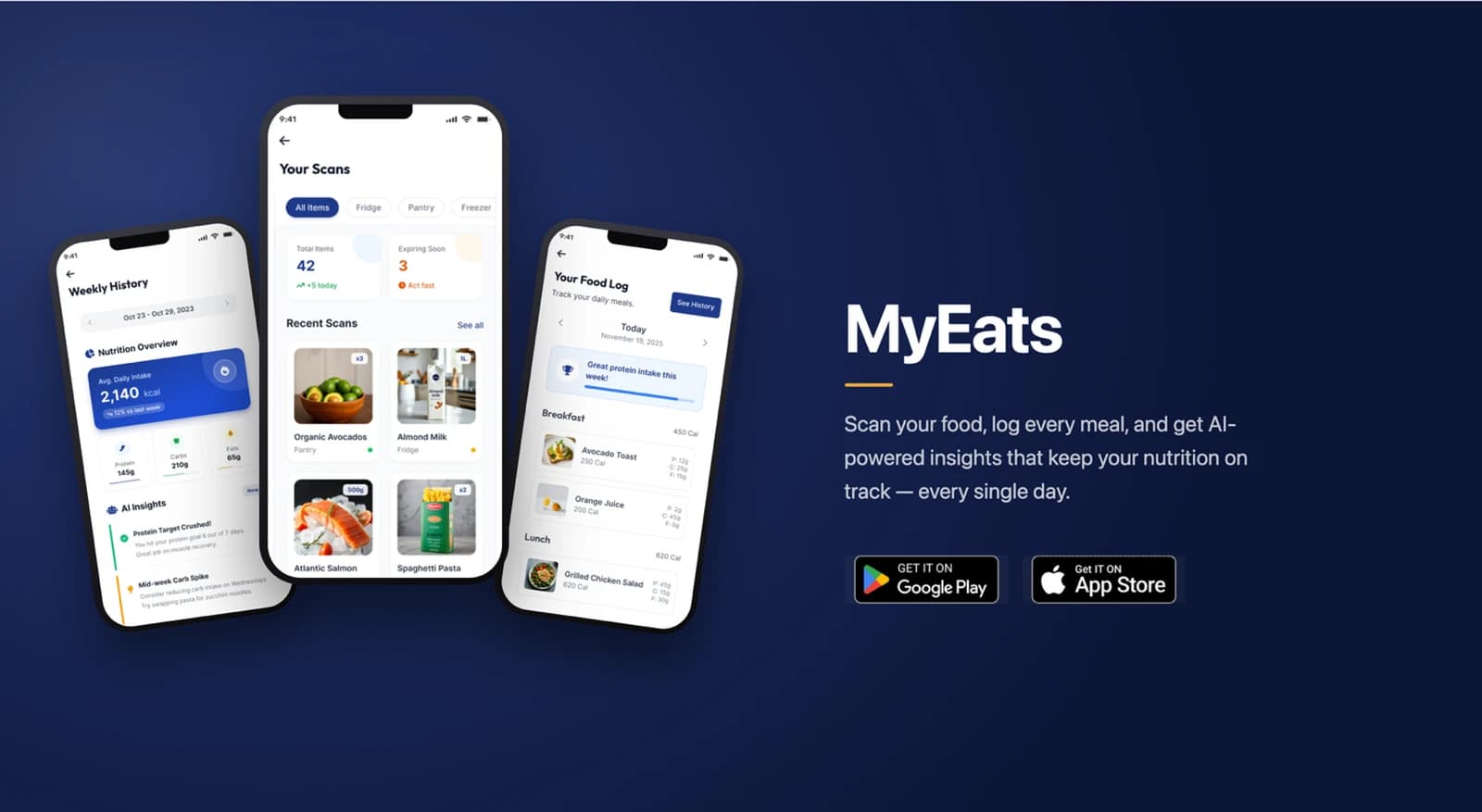
Every mobile engagement starts with the same question: what does this app need to do reliably, even when the network doesn't cooperate? Apps like MyEats (AI-powered pantry scanning) and Offline Survey System (fully offline field data collection with automatic sync) were both built around that constraint — local-first data storage, background sync, and conflict handling that doesn't lose a user's work when connectivity drops. That discipline carries into every mobile project, even ones that don't have an explicit offline requirement, because it forces cleaner state management from day one.
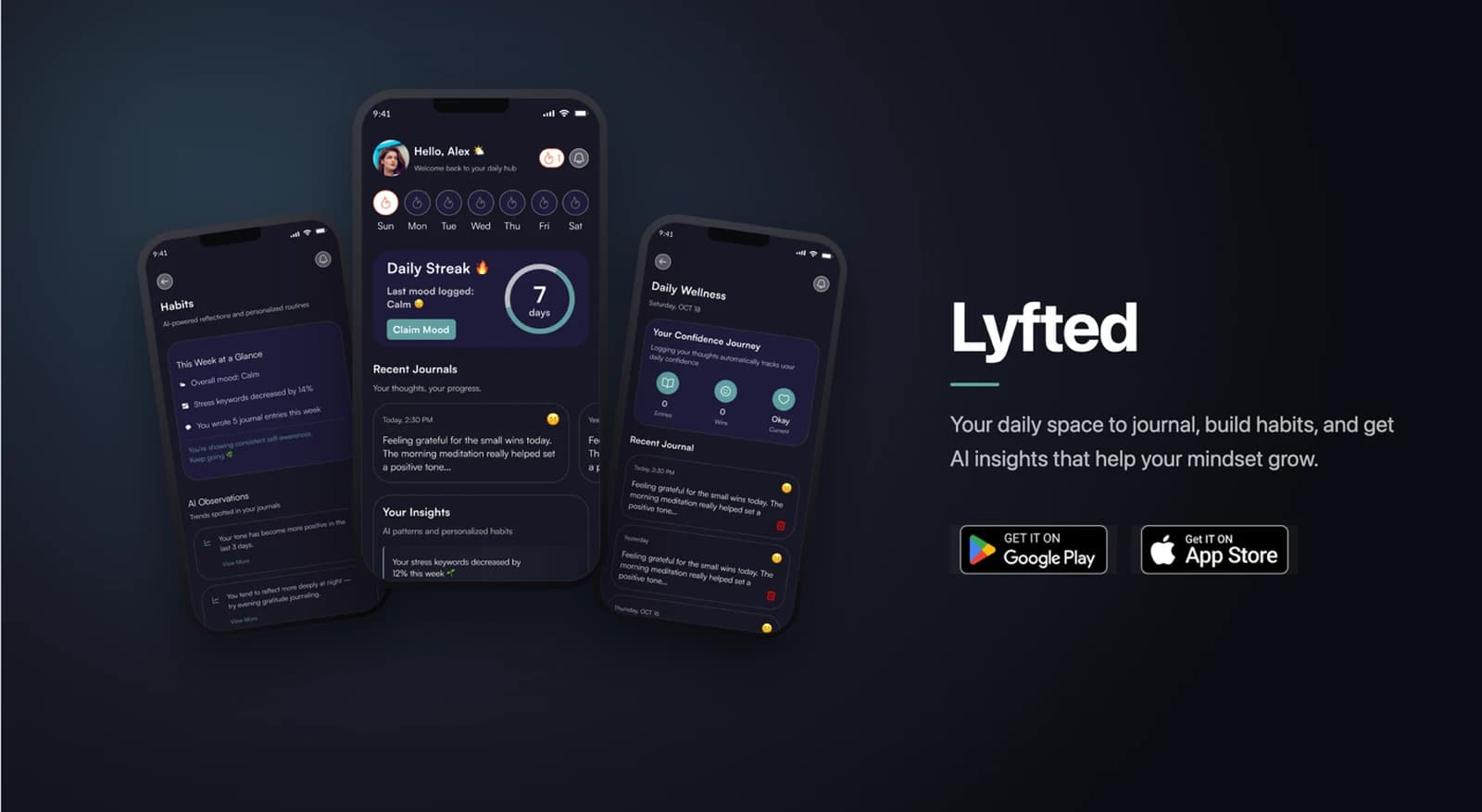
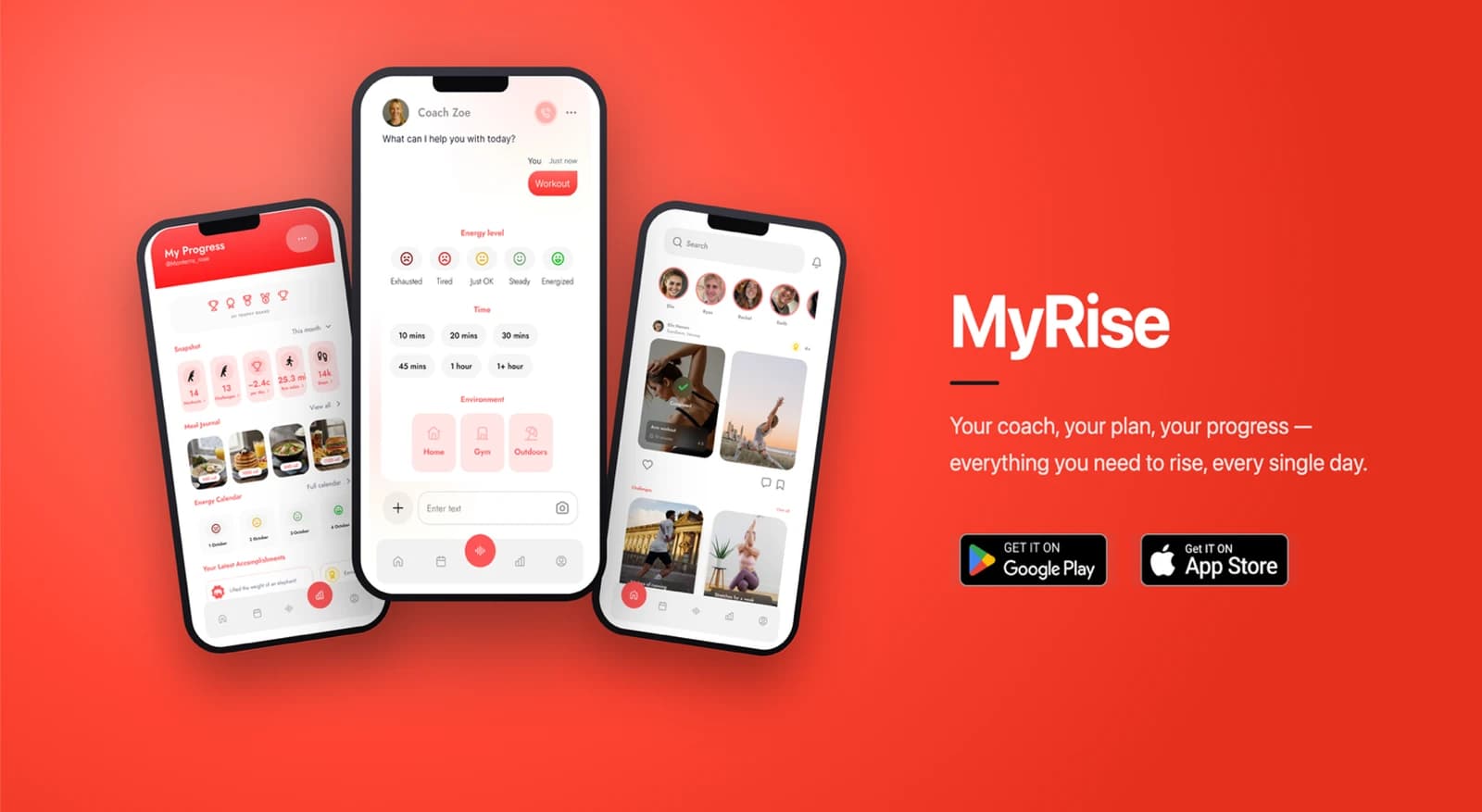
On the AI side, we've integrated on-device and API-based machine learning into production mobile apps — camera-based food recognition in MyEats, natural language sentiment analysis for journaling in Lyfted, and AI-generated fitness programming in MyRise. That means when a project needs AI features, we're not evaluating the technology for the first time; we know what's realistic to ship, what needs a fallback for slow API responses, and how to keep inference costs predictable as usage scales.
We handle the full mobile stack: UI implementation, backend APIs, authentication, push notifications, in-app purchases and subscription billing (via RevenueCat and native Apple/Google IAP), and cloud infrastructure — so there's one team accountable for the whole product rather than a handoff between a frontend contractor and a backend contractor who've never spoken to each other. For teams that already have backend infrastructure, we integrate with what exists instead of insisting on a rebuild.
App Store and Google Play submission is treated as part of the build, not an afterthought — screenshots, store copy, privacy manifest requirements, and review-rejection troubleshooting are all things we handle so a finished app doesn't stall for weeks waiting on store approval.
Our process
01
Discovery
We scope the core user flows, technical constraints, and platform requirements before writing a line of code.
02
Design
Wireframes and interactive prototypes validate the experience before development starts, so changes are cheap while they're still pixels.
03
Build
Sprint-based development with a working build you can test on a real device from early in the project, not just at the end.
04
Test & launch
QA across device sizes and OS versions, then App Store and Google Play submission — including handling review feedback and store listing assets.
05
Support
Post-launch monitoring, crash triage, and iteration based on real usage data.
Related work
Ready to talk mobile app development?
Tell us what you're building and we'll put together a scoped plan within one business day.